GLP-1 Therapies Show Promise for Alzheimer’s Prevention
GLP-1 receptor agonists show promise in Alzheimer’s disease prevention, offering benefits beyond weight loss and diabetes management.
GLP-1 receptor agonists show promise in Alzheimer’s disease prevention, offering benefits beyond weight loss and diabetes management.
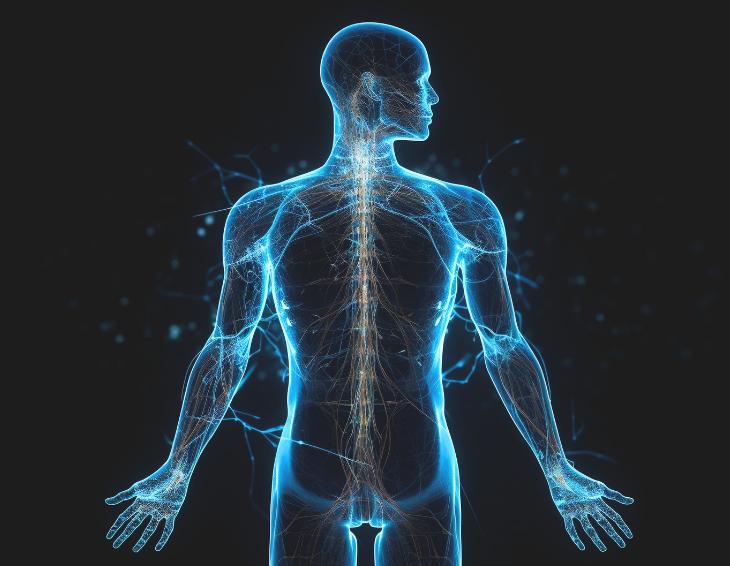
Explore top insights from A4M’s Longevity Conference, including neurotransmitter health, vagus nerve stimulation, GLP-1 therapy, and cellular longevity.
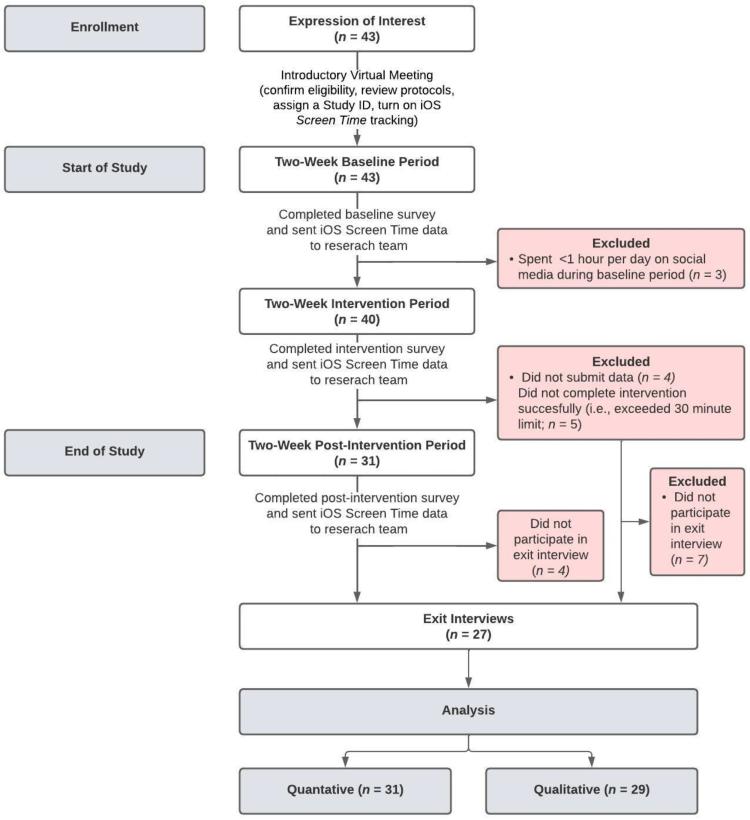
Research review: how a two-week social media detox can reduce stress, improve sleep, and foster healthier habits.
New research shows that memory extends beyond the brain—non-neural cells can also store experiences, backing holistic health insights.
Neuropain Health Coach and Strategy Director Julia Mirer, MD reviews why emotional regulation is the single most important tool to learn as adults (or to teach children) in order to address/prevent mental health challenges and improve one's quality of life.
Recently, I joined Adam Marr and Katie Walker on the Revitalist Clinic Podcast to discuss some of the most exciting developments in pain management. Our conversation explored the roles of ketamine and alternative, holistic therapies in transforming the landscape of treatment for chronic pain and PTSD.
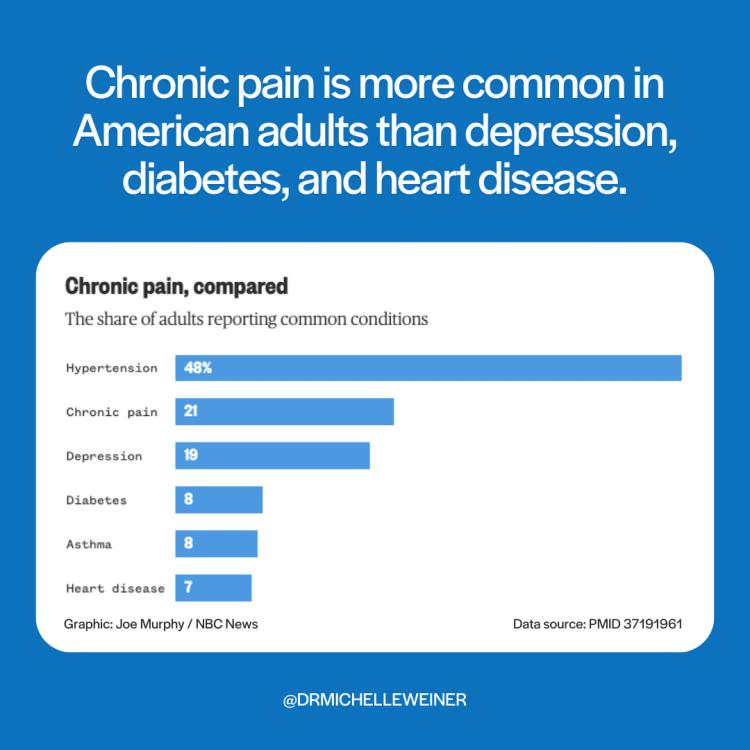
1 in 5 Americans experience chronic pain, which now exceeds the prevalence of diabetes and depression. Dr Weiner explores how a bio-psycho-social approach offers a more effective strategy for managing this pervasive issue.
Fibromyalgia affects millions worldwide, causing widespread body pain, fatigue, sleep disturbances, cognitive issues, and mood changes. Despite its prevalence, treatment options remain limited.
Recent research finds promising results in using ketamine for short-term fibromyalgia relief, and case studies show potential for long-term relief for some patients with chronic pain, too.
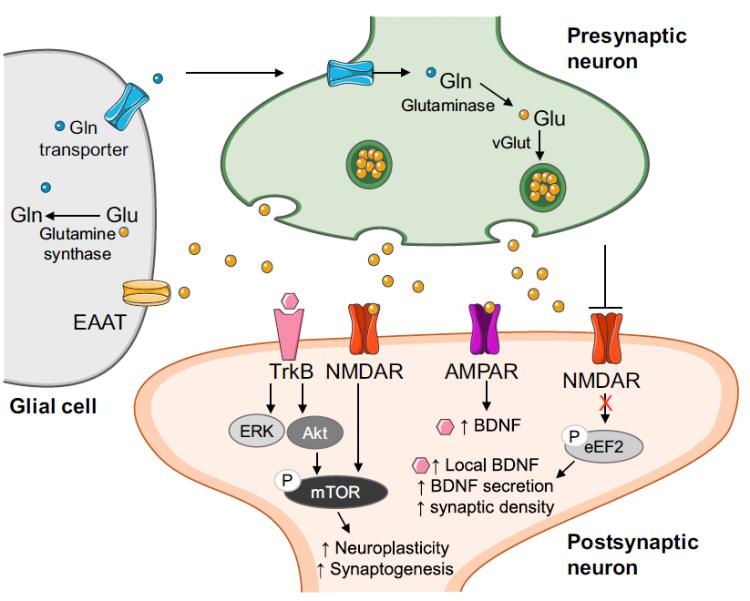
Given the recent debunking of the serotonin theory of depression, Dr. Weiner explores glutamate’s role in depression and neuroplasticity, exploring how glutamate's complex signaling mechanisms contribute to mood regulation and mental health, offering new perspectives for effective treatments.
The tragic passing of Matthew Perry highlights critical missteps in the administration of ketamine, underscoring the necessity for stringent ethical standards and proper patient care in medical practice. This analysis breaks down the key areas where Perry's treatment deviated from acceptable medical practices.
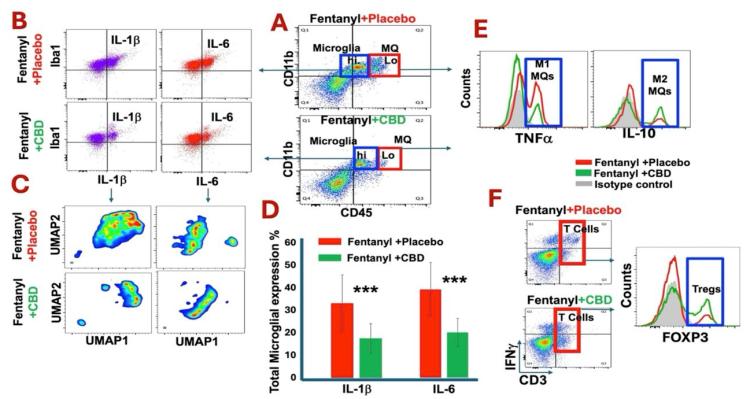
Dr. Weiner reviews a recently published study on the potential of Cannabidiol (CBD) in treating fentanyl addiction. CBD's anti-inflammatory properties could revolutionize addiction therapy by providing a safe and effective treatment alternative that mitigates neuroinflammatory responses, offering hope in the battle against the opioid crisis.
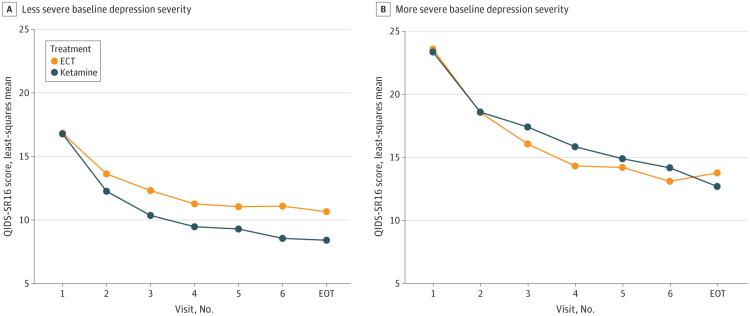
Dr. Weiner explores a recently published secondary analysis of a trial that compared ketamine to electroconvulsive therapy (ECT) for treatment-resistant depression, finding that ECT and ketam!ne both effective long-term, with moderate to severe depression patients having faster improvement with ketamine, and very severe depression responding faster to ECT.
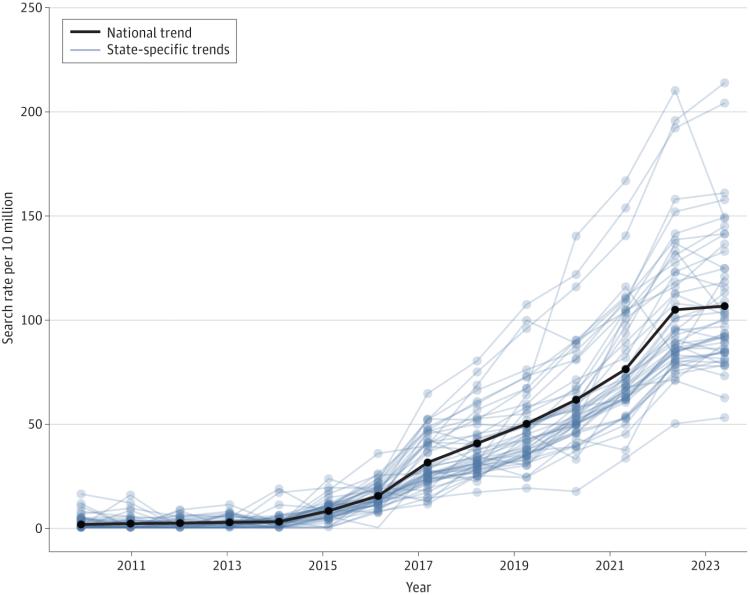
The practice of microdosing psychedelics has seen a staggering increase in popularity. A comprehensive study (published June 28, 2024) reveals a 1250% surge in public interest over the past eight years, coinciding with significant legislative changes across the United States.
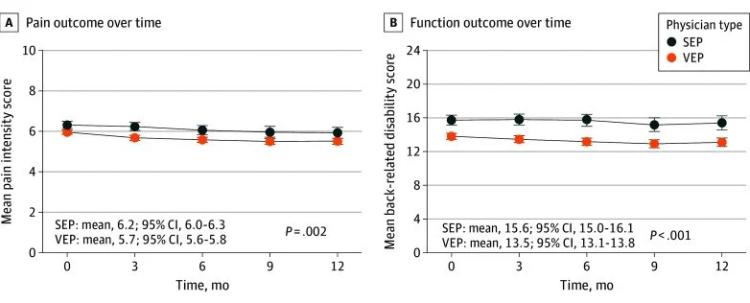
A recent study underscores the crucial role of physician empathy in improving outcomes for patients with chronic low back pain, highlighting its significance over traditional treatments (including opioids!) and even surgical interventions.
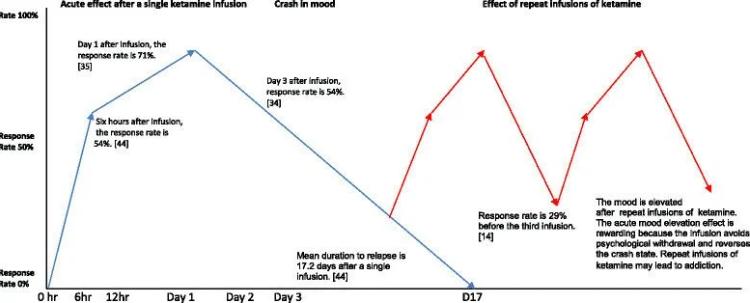
Dr. Weiner reviews a recently published deep dive into ketamine's use as a rapid antidepressant, exploring its potential and pitfalls and highlighting therapeutic effects, ethical concerns, and safety issues in treatment-resistant depression.
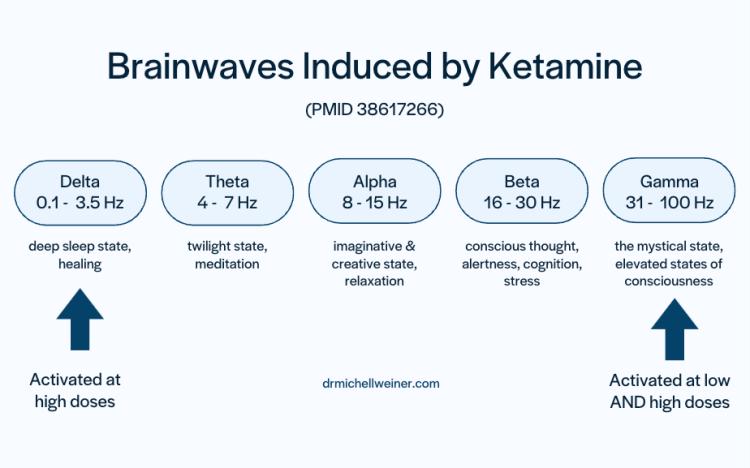
Research unveils the mechanisms behind ketamine's ability to induce altered brain oscillations, offering profound insights into its therapeutic potential and the nature of consciousness itself.
A recent study explores the effect of a “relational dose” of ketamine combined with Imago relationship therapy for couples; quantitative data showed significant improvements in relationship satisfaction scores post-treatment, with benefits persisting for up to 15 months.
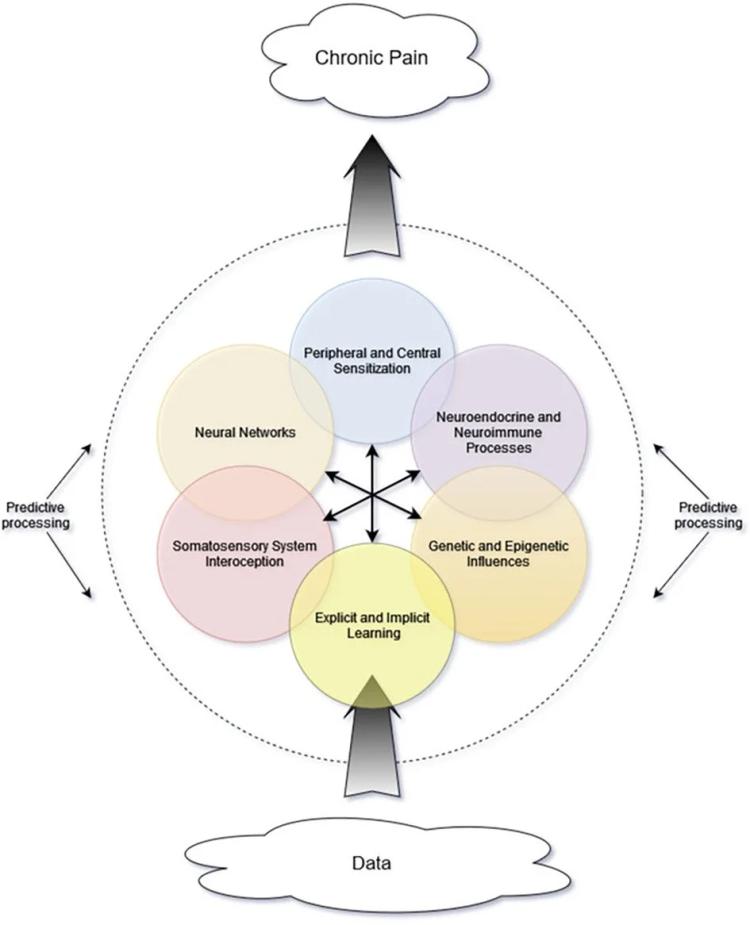
A recent study offers a fresh perspective on pain by applying the lens of complexity science to chronic pain. We review the study's key points and discuss how psychedelic therapies may offer promising solutions.
Explore the role of the therapeutic alliance between patients and intervention facilitators in PAT for MDD; a stronger therapeutic alliance was associated with more positive outcomes for patients.