Rethinking Treatment-Resistant Depression as Treatment Nonresponse
Reframing “treatment-resistant depression” as “treatment nonresponse” opens new pathways for hope and healing.
Reframing “treatment-resistant depression” as “treatment nonresponse” opens new pathways for hope and healing.
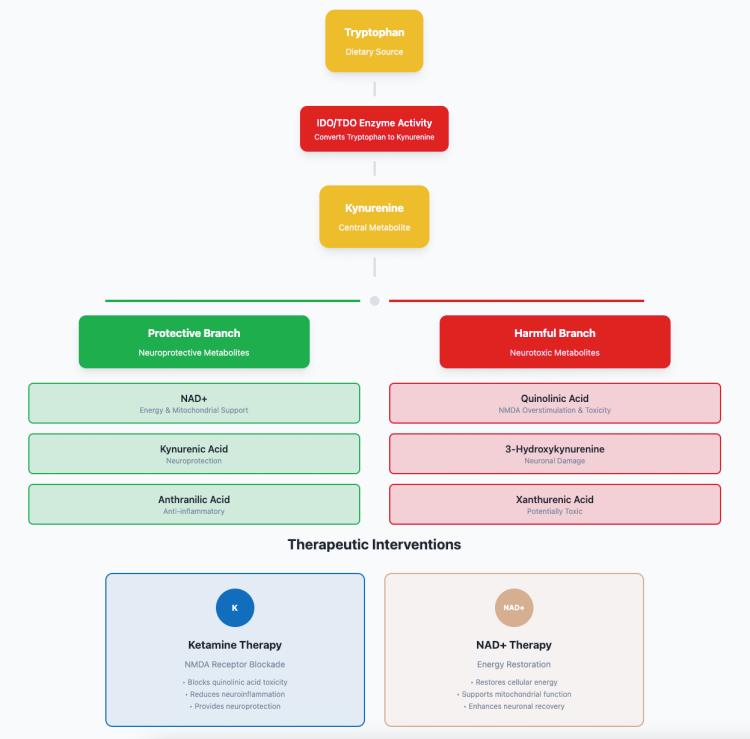
How inflammation skews the kynurenine pathway — and how ketamine and NAD+ therapy may protect and restore mental health & energy.
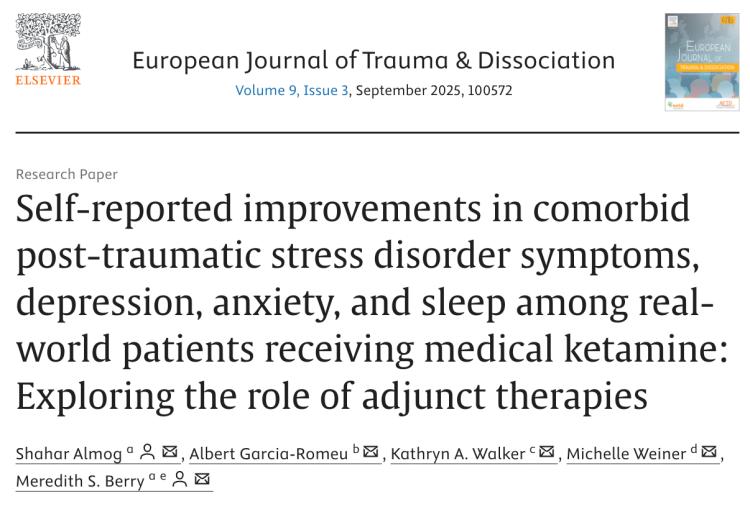
This real-world study looked at how ketamine impacts people with both PTSD and depression—two conditions that often occur together and make each other harder to treat.
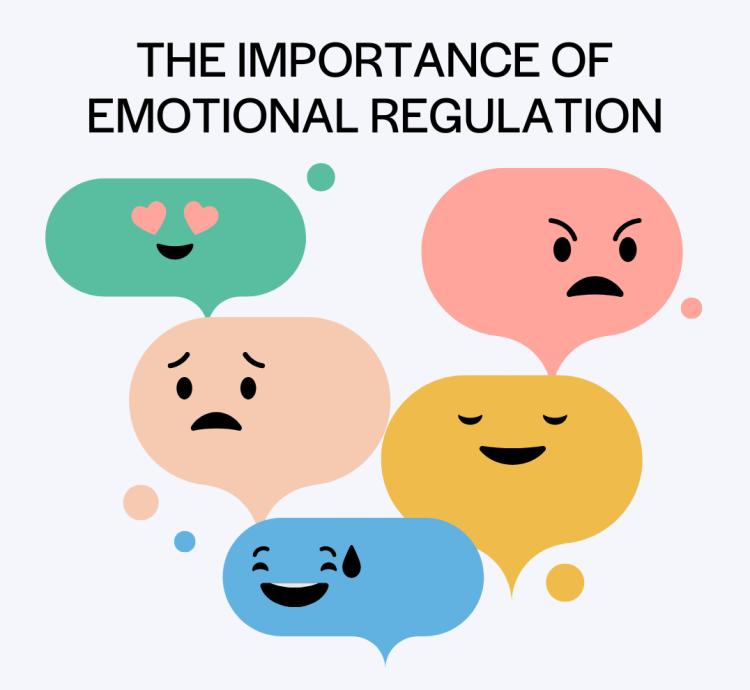
Neuropain Health Coach and Strategy Director Julia Mirer, MD reviews why emotional regulation is the single most important tool to learn as adults (or to teach children) in order to address/prevent mental health challenges and improve one's quality of life.
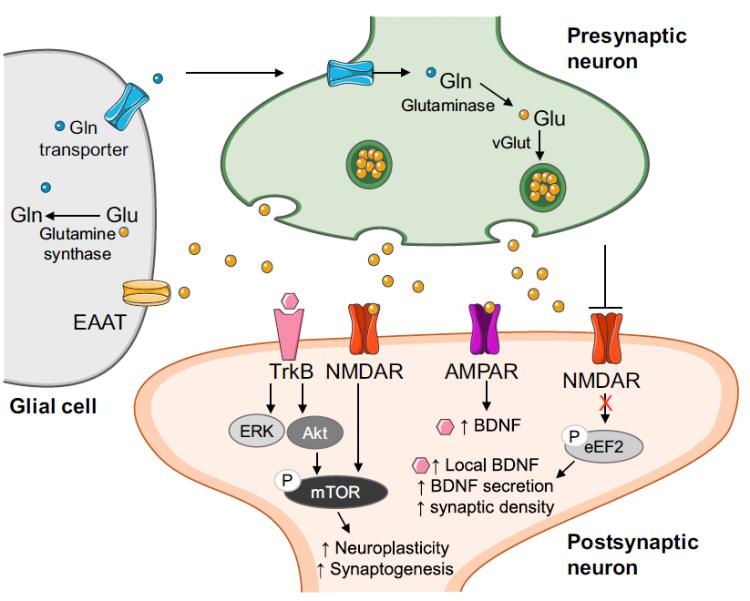
Given the recent debunking of the serotonin theory of depression, Dr. Weiner explores glutamate’s role in depression and neuroplasticity, exploring how glutamate's complex signaling mechanisms contribute to mood regulation and mental health, offering new perspectives for effective treatments.
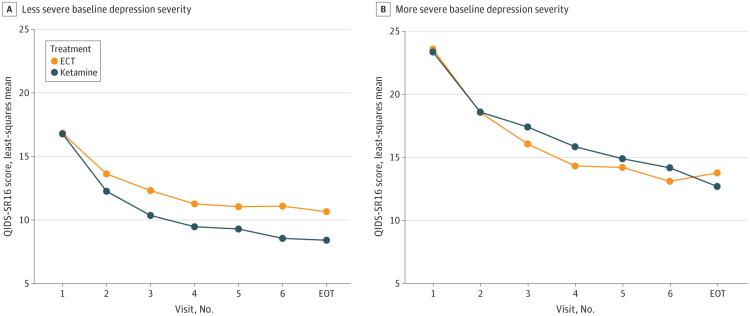
Dr. Weiner explores a recently published secondary analysis of a trial that compared ketamine to electroconvulsive therapy (ECT) for treatment-resistant depression, finding that ECT and ketam!ne both effective long-term, with moderate to severe depression patients having faster improvement with ketamine, and very severe depression responding faster to ECT.